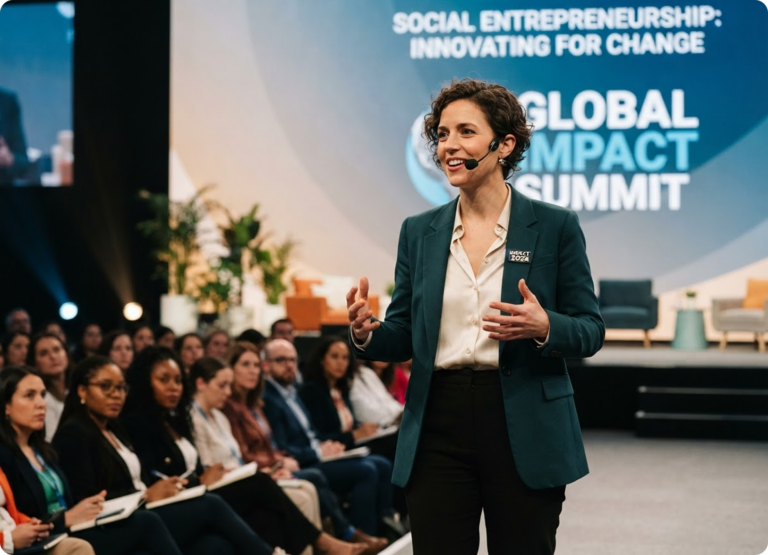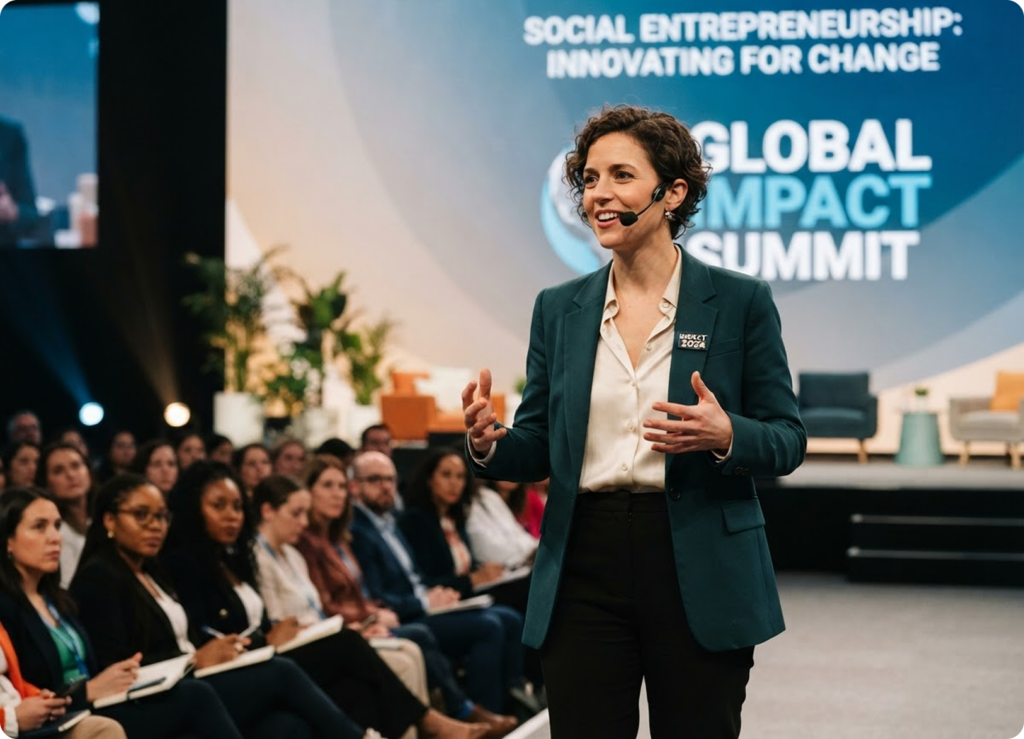
Amara Diallo spent four years working in FMCG supply chains before she noticed what everyone around her had stopped seeing: the sheer volume of single-use plastic sachets that moved through the system every day—and disappeared into landfill or waterways shortly after. That observation became Algapak, a material-science startup that replaces flexible plastic packaging with a seaweed-derived film that dissolves harmlessly in cold water.
The Material Breakthrough
Algapak’s film is based on agar and carrageenan extracted from farmed red algae—a crop that requires no fresh water, no fertiliser, and actively sequesters carbon as it grows. The film can be produced in a range of thicknesses and barrier properties, making it suitable for everything from single-serve condiment sachets to larger pouches for dry goods. In stability tests, it matches the shelf life of conventional LDPE at ambient temperatures and outperforms it in humid conditions.
“The question was never whether seaweed could replace plastic. The question was whether we could make it cheap enough that a procurement manager wouldn’t have to think twice.”
Going to Market Through the YSI Network
Amara joined YSI’s Reckitt Catalyst programme in early 2025 at a point when Algapak had a working prototype but no commercial customers. The programme connected her with three YSI corporate partners actively sourcing sustainable packaging alternatives. Within six months, she had signed a 12-month trial agreement with one of them—a personal care brand replacing plastic sachets in its hotel amenities line.
That first contract did two things: it generated the revenue needed to move from batch production to a small continuous process, and it gave Algapak the reference customer that unlocked a €1.2M seed round from a climate-focused European fund.
What’s Next
Algapak is now scaling production capacity at a facility in Brittany, France, where seaweed farming has a centuries-long tradition. Amara’s next target is the food-service sector—specifically the single-serve sachets used in airline and stadium catering, a segment that generates an estimated 40,000 tonnes of plastic waste annually in Europe alone.
She’s also working with YSI’s research partners to develop a second-generation film with enhanced grease-barrier properties, which would open the door to hot-food applications currently beyond the reach of seaweed-based materials.
For a founder who spent years watching plastic flow invisibly through supply chains, the goal is to make the sustainable option so frictionless—economically and operationally—that switching becomes the obvious choice rather than the virtuous one.